Rwamagana is one of districts which cities are in particular national urbanisation plans due to its closeness to Kigali City, with the Government seeking to reduce people migrating to Kigali looking for jobs.
Unlike for the six ‘secondary cities’, Rwamagana and Bugesera in Eastern Province and Muhanga in Southern Province are the three cities surrounding Kigali planned to be developed into ‘satellite cities’ to avoid being the capital city’s slums.
Presented in Rwamagana last week in a meeting that brought together Local Administrative Entities Development Agency (LODA), various infrastructure stakeholders and Belgian development fund (Enabel), there are infrastructure projects in Rwamagana that will benefit from the Enabel’s urbanisation programme.
Director General of LODA, Claudine Nyinawagaga said, “Not everything must be placed in Kigali; that could cause overcapacity, there are things that can be established in Rwamagana too.”
Through a total envelope of €28 million for urbanisation programme in secondary cities of Musanze and Rubavu and satellite city of Rwamagana, Enabel will be backing Rwamagana in the construction of the market, roads and handcraft centre.
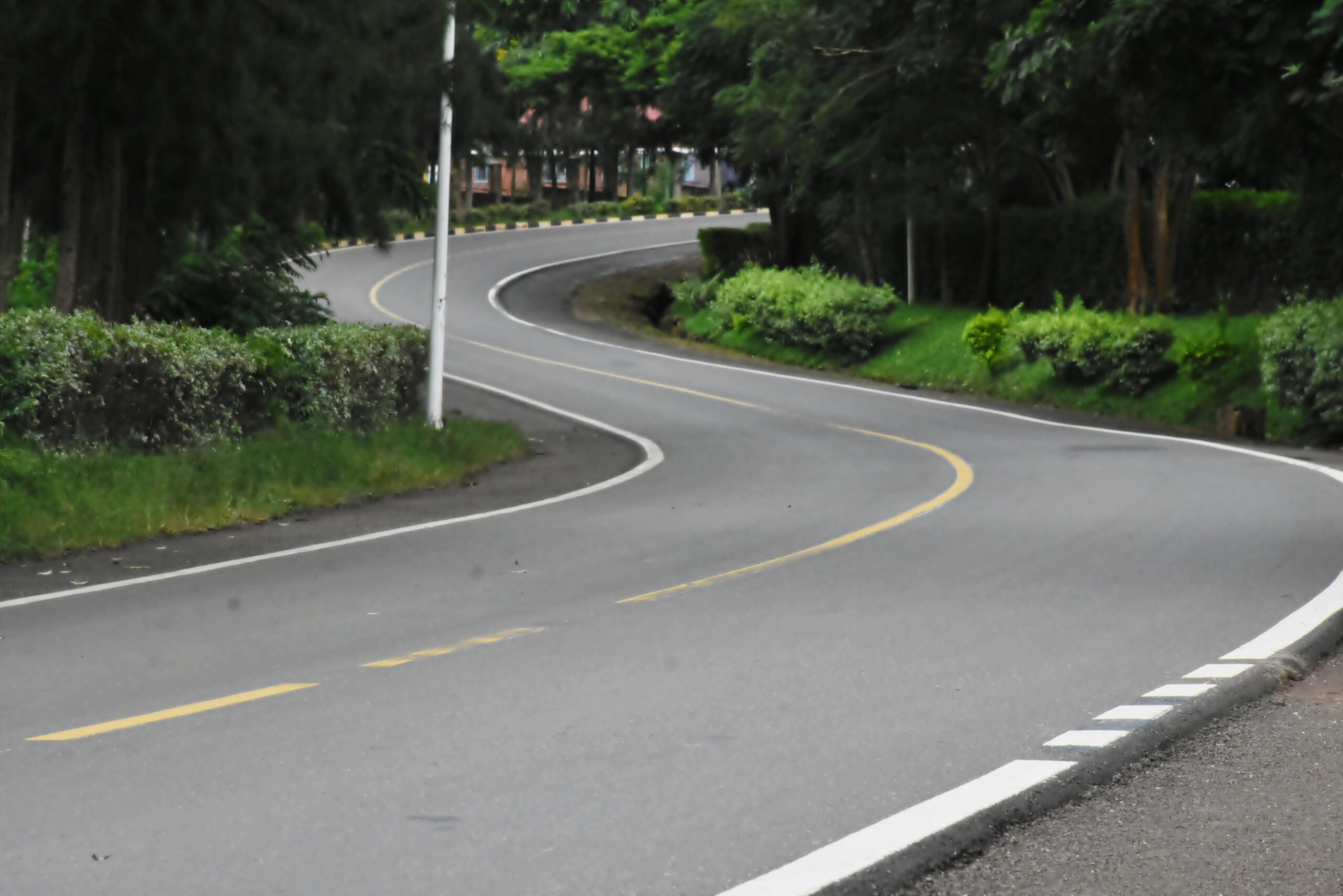
The projects aimed at developing the town include the construction of five kilometre asphalt roads (Bi-Layer) in Nyagasenyi and Cyanya cells, Kigabiro Sector. The constructed roads will include public lighting over the length of 5Km.
Other projects are construction of Rwamagana market, district expo ground and handcraft centre ‘Agakiriro’.
“I think it is very interesting for us, Rwamagana is in different level of urban development, we are also supporting the development of the city’s masterplan, which was already done in the past for the other secondary cities. What is also interesting is the economic potential of Rwamagana; being so close to the capital,” stated Dirk Deprez, resident representative of Enabel in Rwanda.
Radjab Mbonyumuvunyi, Rwamagana District Mayor, said the implementation of the projects will improve the look of the city and the lives of its residents at large, “because they will be bringing answers to their problems and creating jobs for them.”
Making an emphasis on the importance of the roads in the city, Mayor Mbonyumuvunyi declared: “We still have many dirt roads, yet you cannot state that you are developed while people still walk on slippery or dusty roads, you cannot attract investors because of that.”
According to Rwamagana executive secretary Henry Kakooza, other projects that needs investors to develop them are green space and waste disposal site and management plant.
Rwamagana District has 691.6km2, 14 sectors and 380,904 population, with density of 515 per hectare. Made of various cells located in four sectors of Kigabiro, Muhazi, Gishari and Mwulire, Rwamagana town’s population is 72,379.